HanziLore

Learn Mandarin Chinese. Every character is a short story.

Learn the parts, and the stories write themselves. HanziLore is a Mandarin Chinese course that teaches the 1,800 characters of HSK 3.0, bands 1 to 6, the way they are built: components first, then the hanzi made from them, then the words. Each one comes with a memory story for its meaning and one for its sound, and short typed reviews right before you'd forget.

女
+
子
=
好
woman + child hǎo

A woman holds her child close and smiles. Mother and child together: it's all good.

Heidi gives a big thumbs up in the basement of the cow barn, grinning: everything is fine, everything is good.

Meaning story, then sound story: Heidi is h, the cow barn is ao, the basement is tone 3.

How it works

Each level gives you a handful of new things to learn. You never meet a character before you know the parts it's made of.

  1. 女

    Components

    Strokes, radicals and character parts, each with one keyword. 女 is woman, 子 is child, 马 is horse. You can rename any of them.

  2. 好

    Hanzi

    When a character's components reach Scout in your reviews, the character unlocks. You learn its meaning and its reading in pinyin.

  3. 你好

    Words

    HSK words unlock once you know their characters, so new vocabulary is built from pieces you already have.

Lessons

A lesson shows the item, how it's built, both memory stories, stroke order and a couple of example sentences. Then a short quiz: get each one right once and it moves into your reviews.

Reviews

You type every answer: the English meaning, then the reading as hao3 or hǎo. Right answers wait longer before coming back. Wrong ones come back sooner. Typing makes you recall, not just recognise.

A memory palace for Mandarin sounds

Every pinyin syllable splits into an initial, a final and a tone. HanziLore gives each one a fixed image, so every reading story is built from pieces you already know.

The initial is a person

b is Bubbles, h is Heidi, r is Ricky, x is Sheila. Twenty-four characters you'll start to recognise everywhere.

The final is a place

ao is the cow, ui is the subway, an is the van, ing is the boxing ring. Thirty-six places, one for every final.

The tone is a spot

  • 1 the entrance
  • 2 upstairs
  • 3 the basement
  • 4 the rooftop
  • 5 outside
对

duì

Donna (d) ticks every answer on a test on the rooftop (tone 4) of the subway (ui) station, getting every single one correct, and grins at the teacher.

Don't like a person or a place? Rename it in Settings. New stories use your names from then on.

60 levels across HSK 3.0, bands 1 to 6

Ten levels per band. Each level holds about 30 characters plus the components they need, ordered so the most useful characters come first.

Levelling up

You reach the next level when 90% of the current level's characters reach Scout. Its components and characters unlock straight away.

At the end of each band you get a readiness score for that band's words. You can keep going, or choose in Settings to wait until 80% of the band's words are learned.

Every character has a rank

Each one starts as a Squire and fights its way up. Get it right and it climbs, and the longer you wait before the next review, the more it's earned. Get it wrong and it goes back to the training yard for a bit. Levels 1 and 2 move faster so you get going quickly.

  1. A squire with a short sword Squire Back in 4 hours, 8 hours, 1 day, then 2 days Carries your sword. Drops it a lot.
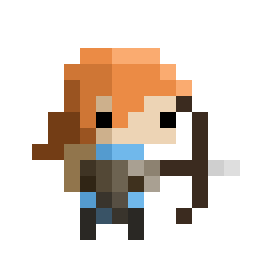
  2. A scout with a bow Scout 1 week, then 2 weeks Knows the way. Unlocks the next characters.
  3. A warrior in dark armour Warrior 1 month Recognises it on sight. Occasionally panics anyway.
  4. A bearded veteran with a sword Veteran 4 months Has seen things. Mostly this character.
  5. A legend in golden armour Legend Done, no more reviews Bards sing of this one.

Reviews that are fair to you

Tone drills
Tones get their own practice. You see a syllable with no tone, like dui 对, and type it with one: dui4 or duì.
Your own synonyms
Know a word that means the same thing? Add it as an accepted answer from the item's page, a lesson, or straight after you answer.
Ignore
Typo, or right in your head? Press Ignore and the answer doesn't count. Add your synonym first and the retest accepts it.
Tone strictness
When the syllable is right but the tone is wrong, choose what happens: one more try, count it as wrong, or accept it and tell you.
Wrap up
Out of time? Finish only the items you've started and leave the rest for later.
Vacation mode
Pause reviews. When you come back, every due date moves forward by the time you were away, so nothing piles up.

AI writes the first draft. You have the final say.

Every item already comes with a hand-written default mnemonic. AI is there when a story doesn't stick and you want another.

What the AI is given

The item's components and their keywords (including any you renamed), its meaning, its reading split into your sound anchors, and your preferences: plain or playful, and topics to avoid. You can also steer it with a hint like “use a cat” or “I'm a nurse”.

What it has to pass

  • A meaning story must use every component keyword.
  • A reading story must use your person, place and tone spot.
  • 25 to 110 words, with no Chinese characters other than the one being learned.
  • Example sentences may only use characters you already know, and their readings are checked against the dictionary.

Anything that fails is retried once with the errors attached. If it still fails, it's thrown away. Nothing unchecked reaches your lessons.

You can edit everything

  • Edit any mnemonic, or write your own from scratch.
  • Every version is kept. Go back to an earlier one or reset to the default.
  • Rename components. Your names show up in reviews and in new stories.
  • Rename any person, place or tone spot in the sound system.
  • Add synonyms for meanings, hide example sentences you don't like.
  • Download all your progress, synonyms, mnemonics and anchors as one file.

Your edits are yours. Changes to the shared defaults never overwrite them.

Plans

The whole course is free. Premium adds AI on demand. During the beta, every new account gets Premium automatically.

Free

$0

  • All 60 levels: components, characters and words
  • Lessons, reviews and tone drills
  • Hand-written default mnemonics for every item
  • Edit any mnemonic or write your own
  • Saved example sentences
  • Synonyms, Ignore, renamed components and anchors
  • Vacation mode and data export
Create a free account

Premium

Free during the beta

New accounts get Premium automatically while the beta runs. We'll tell you before anything changes.

  • Everything in Free
  • Regenerate any mnemonic with AI, up to 200 times a day
  • Steer a new mnemonic with your own hint
  • New example sentences written for your level, using only characters you know
Start learning

Questions

Do I need to know any Chinese to start?

No. Level 1 starts with single strokes and the four tones. Pinyin is taught as you go, one sound at a time.

Which HSK version does it follow?

HSK 3.0, bands 1 to 6. That's about 1,800 characters and the words built from them. Bands 1 to 6 are levels 1 to 60, ten levels per band.

Simplified or traditional characters?

Simplified, as used in mainland China and the HSK.

How do I type pinyin without a Chinese keyboard?

Type the syllable and the tone number: hao3 turns into hǎo as you type. Use v for ü, so nv3 becomes nǚ. Typing the tone marks directly works too.

How much time does it take each day?

Most people do their reviews once or twice a day, 10 to 20 minutes, plus a lesson batch of five items when they have time. Reviews arrive in batches at the top of the hour.

What if I miss a few days?

Your reviews wait for you. If you know you'll be away, turn on vacation mode first and nothing becomes overdue.

Can I skip levels I already know?

Not yet. A placement quiz is planned. Early levels move fast, so known items reach the longer intervals within a few days.

Are the AI mnemonics any good?

They have to pass the checks above before you see them, and you can always regenerate, steer with a hint, or rewrite them yourself. The defaults every learner starts with were written by hand.

Will the default mnemonics ever overwrite mine?

No. When the shared defaults improve, you get the new version only if you haven't edited or chosen your own.

What's the difference between Free and Premium?

Free has the full course and every learning feature. Premium adds AI: regenerating mnemonics with your own hints and writing new example sentences for your level. During the beta, every new account is given Premium automatically.

Can I take my data with me?

Yes. Settings has an export button that downloads your progress, synonyms, mnemonics and anchors as one JSON file.

I have a question, found a bug, or want a new feature. Where do I go?

Join the HanziLore Discord. Ask anything, report problems, and suggest features there. The beta is shaped by what people ask for.

Still have a question? Ask on Discord.

学

Start with one stroke today.

Create a free account